2026 Best Rechargeable Lithium Batteries for Global Buyers

Choosing the right rechargeable lithium batteries in 2026 requires more than comparing capacity labels. Global buyers face different temperatures, transport routes, charging systems, and product regulations. A battery used in a coastal warehouse may experience humidity, while one installed in a remote solar cabin may face freezing nights. These details matter.

This guide examines lithium iron phosphate, nickel manganese cobalt, and other common rechargeable lithium batteries through practical buying criteria. We consider usable capacity, cycle life, charging speed, thermal stability, battery management systems, warranty terms, and independent test evidence. Safety documentation also deserves attention. Look for clear datasheets, traceable manufacturers, reliable protection circuits, and compliance with applicable regional requirements. Marketing claims are not proof.

Professor Jeff Dahn, a leading lithium-ion battery researcher, has said, “Battery life is a function of how you use the battery.” That principle remains important. A high-capacity pack can age quickly if it is constantly overheated, deeply discharged, or charged with an incompatible device. Temperature matters. So does storage.

The recommendations ahead are designed for distributors, equipment manufacturers, installers, and informed household buyers. They focus on realistic performance rather than impressive numbers alone. Some comparisons remain imperfect because test methods differ between brands. That limitation should be acknowledged, not hidden. Battery quality can also change between production batches. Buyers should verify current specifications before placing large orders.

Expect practical comparisons, cautious judgments, and a few uncomfortable trade-offs. The best choice is rarely the cheapest cell. It is the battery that fits the application, operating environment, service plan, and safety expectations.
2026 Best Rechargeable Lithium Batteries for Global Buyers

What Rechargeable Lithium Batteries Are and How They Work

2026 Best Rechargeable Lithium Batteries for Global Buyers

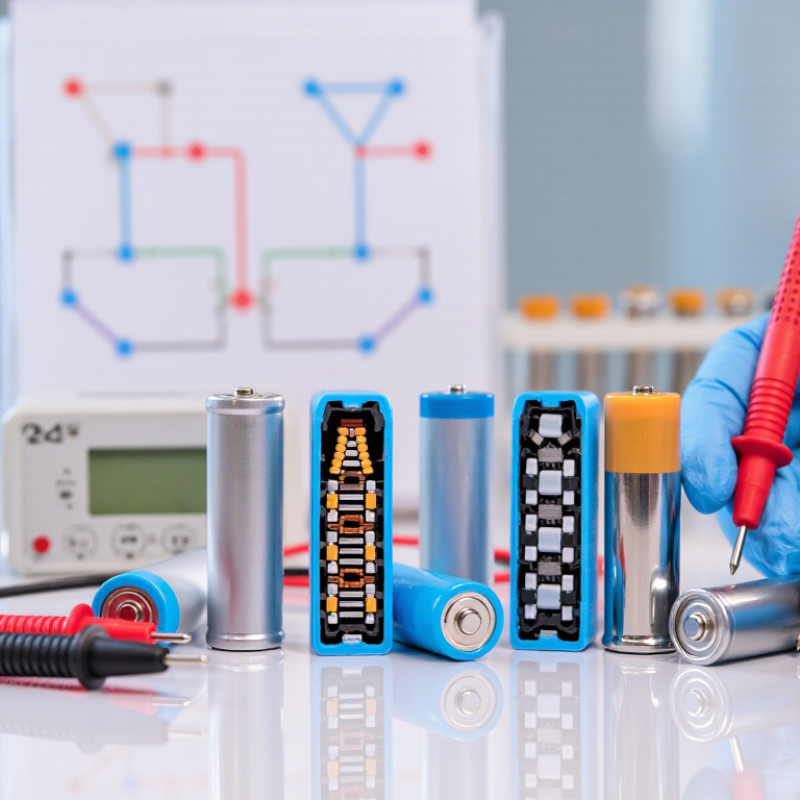
Rechargeable lithium batteries store electrical energy through reversible chemical reactions. They contain lithium-based materials, an electrolyte, separators, and external terminals.

During discharge, lithium ions move from the negative electrode to the positive electrode inside the cell. Electrons travel through the connected device, creating usable electrical power. When a compatible charger supplies current, the ions move back. The process repeats, but not forever.

Battery packs often include a battery management system. It monitors voltage, current, and temperature. It can reduce risks from overcharging, deep discharge, overheating, or short circuits.

Different lithium chemistries offer different results. Some provide higher energy density, while others may deliver stronger stability or longer service life. Capacity, measured in watt-hours, helps buyers compare actual stored energy. Voltage must also match the equipment.

No battery is perfect. A specification sheet can hide performance changes under heat, cold, heavy loads, or poor charging habits.

For global buyers, check operating temperature, expected cycle life, cell configuration, charger compatibility, and required safety documentation.

Certification requirements may differ by destination and application. Reliable suppliers should explain testing methods and provide clear technical records.

Tips: Choose a battery with built-in protection. Ask for capacity test conditions. Check the charger’s voltage and current. Keep the pack dry and away from extreme heat. Do not judge quality by capacity alone.
Key Battery Types, Chemistries, and Performance Differences

2026 Best Rechargeable Lithium Batteries for Global Buyers

Battery selection starts with chemistry, not marketing capacity. Lithium iron phosphate, or LFP, offers strong thermal stability and long cycle life. It usually stores less energy by weight than nickel-rich lithium-ion cells. Nickel-manganese-cobalt and nickel-cobalt-aluminum chemistries provide higher energy density. They suit compact tools, mobility devices, and backup systems where space matters. Lithium titanate charges quickly and survives heavy cycling, but its lower energy density increases system size. Lithium-polymer cells use flexible pouches, which can reduce weight and improve packaging freedom.

Form factor also changes performance. Cylindrical cells commonly support consistent manufacturing and easier replacement. Prismatic cells can use cabinet space efficiently. Pouch cells need careful compression and protection against swelling. A battery management system should monitor voltage, temperature, current, and cell balance. Without that control, a good chemistry can still become an unreliable product. Small details matter.

Rated capacity is only one measurement. Compare usable energy, continuous current, peak current, charge temperature, and expected cycle life. A battery rated at 5,000 mAh may deliver less energy under cold conditions or heavy loads. Practical testing should record voltage drop during a real application, not only laboratory capacity. I once trusted a capacity table too quickly; the load profile made the comparison misleading. Buyers should request traceable test data, safety documentation, and transport compliance records. Relevant standards may include IEC 62133-2 and UN 38.3, alongside local market requirements. Always verify the charger, connector, enclosure, and protection settings as one system.

2026 Best Rechargeable Lithium Batteries for Global Buyers

Key Battery Types, Chemistries, and Performance Differences

Chemistry Nominal Voltage Typical Energy Density Main Performance Profile
LFP 3.2 V 90–160 Wh/kg Long service life, strong thermal stability, moderate energy density
NMC 3.6–3.7 V 150–250 Wh/kg Balanced energy density, power, cost, and cycle life
NCA 3.6–3.7 V 200–280 Wh/kg High energy density with stricter thermal and battery-management requirements
LCO 3.6–3.7 V 150–240 Wh/kg High energy density, but shorter cycle life and lower thermal margin
LTO 2.3–2.4 V 50–90 Wh/kg Exceptional cycle life, rapid charging, and strong low-temperature performance

The chart shows representative laboratory and commercial cycle-life ranges to approximately 80% remaining capacity under controlled conditions. Actual results depend on depth of discharge, charging speed, temperature, storage state of charge, cell format, and battery-management settings. Energy-density figures are typical cell-level ranges and should not be treated as guaranteed pack-level values.

How to Compare Capacity, Voltage, Safety, and Cycle Life

2026 Best Rechargeable Lithium Batteries for Global Buyers

How to Compare Capacity, Voltage, Safety, and Cycle Life

Capacity should match the device’s real energy demand, not just the largest printed number. Compare watt-hours using voltage multiplied by amp-hours. A higher capacity may add weight, size, and charging time. Check whether the listed capacity is measured under realistic conditions. Some figures look impressive but change sharply at high discharge rates.

Voltage must fit the equipment’s required range. Confirm nominal voltage, full-charge voltage, and acceptable operating limits. Using the wrong voltage can reduce performance or damage sensitive electronics. Safety deserves equal attention. Look for a tested battery management system, overcharge protection, short-circuit control, temperature monitoring, and clear technical documents. Reliable suppliers should provide test reports, storage guidance, and traceable production information. Ask questions.

Tips: Compare cycle-life results at the stated depth of discharge, temperature, and charging rate. A battery rated for 3,000 cycles may achieve fewer cycles under heat or constant full discharge. Cycle-life claims are useful, but not universal. In practical evaluations, I would record capacity after repeated cycles and inspect swelling, heat, and charging stability. This takes time. Yet one overlooked test can cost more than a careful comparison. Also check connector quality, enclosure strength, warranty terms, and replacement access before ordering internationally.

2026 Best Rechargeable Lithium Batteries for Global Buyers - How to Compare Capacity, Voltage, Safety, and Cycle Life
Battery Chemistry Typical Nominal Voltage per Cell Typical Usable Capacity Range Typical Specific Energy Typical Cycle Life Thermal and Safety Profile Typical Continuous Discharge Rate Low-Temperature Performance Best-Fit Applications
Lithium Iron Phosphate (LFP) 3.2–3.3 V 1 Ah to several thousand Ah, depending on cell format and pack design 90–160 Wh/kg 2,000–7,000 cycles Excellent thermal stability and lower risk of thermal runaway than nickel-based lithium-ion chemistries. A certified battery-management system and suitable protection remain necessary. Normally 0.5C–3C; high-power designs may support higher rates Reduced charge acceptance below 0°C; charging below freezing generally requires temperature control or a battery with low-temperature protection. Solar storage, backup power, electric commercial vehicles, marine systems, industrial equipment
Nickel Manganese Cobalt Oxide (NMC) 3.6–3.7 V 1 Ah to several hundred Ah in common commercial formats 150–250 Wh/kg 1,000–3,000 cycles High energy density, but greater thermal-management requirements than LFP. Protection circuitry, cell balancing, and a qualified enclosure are essential. Normally 1C–3C; power-oriented variants may support higher rates Generally better power performance in cold conditions than LFP, but charging below 0°C still requires controlled conditions. Electric vehicles, portable power stations, cordless tools, mobility equipment
Nickel Cobalt Aluminum Oxide (NCA) 3.6–3.7 V 1 Ah to several hundred Ah in commercial cell formats 180–260 Wh/kg 800–2,000 cycles Very high energy density, with comparatively strict requirements for thermal monitoring, overcharge protection, and mechanical safety. Normally 1C–3C, depending on cell design and cooling Acceptable discharge performance in cool conditions; charging below freezing requires careful control. Weight-sensitive electric transport, high-energy battery packs, aerospace and specialized equipment
Lithium Titanate (LTO) 2.3–2.4 V 1 Ah to several hundred Ah 50–100 Wh/kg 10,000–30,000 cycles Excellent cycle durability, high power capability, and strong resistance to fast-charge stress. Lower energy density increases pack size and cost per stored watt-hour. Commonly 3C–10C; some specialized designs support higher rates Strong low-temperature charging and discharge performance compared with most other lithium-ion chemistries. Frequent-charge transit systems, automated machinery, grid support, industrial vehicles
Lithium Manganese Oxide (LMO) 3.7–3.8 V 1 Ah to several hundred Ah 90–150 Wh/kg 500–1,500 cycles Good thermal behavior and high power capability, but usually shorter life than LFP. Blended chemistries are often used to improve durability or energy density. Normally 1C–5C, depending on cell construction Moderate cold-weather performance; low-temperature charging still needs protection and temperature monitoring. Power tools, medical equipment, hybrid battery systems, high-power applications
Buyer’s note: The figures above are representative industry ranges for 2026 planning and comparison, not guaranteed specifications. Actual capacity, voltage limits, safety, and cycle life depend on cell quality, battery-management-system settings, charge and discharge rates, depth of discharge, temperature, storage conditions, and pack construction. For international procurement, verify applicable transport and product requirements, including UN 38.3 testing, IEC 62619 or other relevant battery standards, local electrical regulations, and the supplier’s documented test reports.

Best Rechargeable Lithium Batteries for Different Global Applications

2026 Best Rechargeable Lithium Batteries for Global Buyers

Different applications demand different lithium battery designs. For electric vehicles, high energy density and rapid charging matter most. The International Energy Agency reported that global electric car sales exceeded 17 million in 2024, while battery demand reached about 1 TWh. This scale increases pressure on cell quality, thermal control, and supply traceability.

Different applications demand different lithium battery designs.

For solar storage, cycle life and safety often outweigh maximum energy density. Lithium iron phosphate chemistry suits many stationary systems because it offers strong thermal stability and long service life. Portable medical and communication equipment needs compact cells, predictable discharge, and reliable protection circuits. Industrial vehicles may require high continuous current, reinforced enclosures, and operation in dusty warehouses or cold ports. One battery cannot serve every market well. That assumption remains common, and costly.

Tips: Match the battery to its load profile, not its advertised capacity. Check usable energy, cycle-life test conditions, operating temperature, and warranty limits. Buyers should also request transport testing under UN 38.3 and product evidence aligned with IEC 62133-2 or IEC 62619. BloombergNEF’s 2024 battery price survey placed average lithium-ion pack prices at 115 US dollars per kWh, but low price alone can hide weaker controls. Voltage compatibility, local service, and replacement access deserve equal attention. A technically excellent pack may still fail commercially if customs documents or recycling arrangements are unclear.

Buying, Shipping, Charging, and Recycling Considerations Worldwide

2026 Best Rechargeable Lithium Batteries for Global Buyers

Buying rechargeable lithium batteries globally requires more than comparing capacity. Check chemistry, cycle life, operating temperature, and protection circuitry. A higher mAh rating may reduce portability.

The International Energy Agency reported that global battery demand exceeded 750 GWh in 2023, rising about 40% year on year. This growth increases pressure on quality control and raw-material supply.

Look for clear specifications, batch traceability, and UN 38.3 test evidence before purchasing. Labels can be incomplete.

Shipping needs equal care.

Lithium batteries are regulated as dangerous goods because damaged cells can overheat or ignite. Air shipments require approved packaging, accurate state-of-charge controls, and carrier-specific documentation. Loose cells should never travel with metal objects or damaged insulation. Requirements differ between air, sea, and domestic transport.

A practical warehouse lesson is simple: one crushed corner can change the risk completely. Check the destination country’s import rules and use trained logistics providers.

Tips:

Charge on a nonflammable surface, using the specified charger and voltage. Stop using swollen, leaking, unusually hot, or physically damaged cells. Do not mix old and new batteries in one device.

The Global E-waste Monitor 2024 recorded 62 million tonnes of electronic waste in 2022, while only 22.3% entered documented recycling channels.

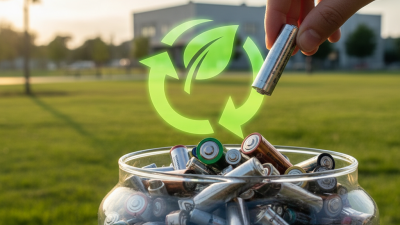
Return depleted batteries to authorized collection points, not household bins. Recycling access remains uneven worldwide, and this weakness deserves more attention.

An exceptional record of quality and service for 35+ years.