Choosing the right Gas Generator Set begins with the site, not the catalogue. A hospital, construction site, data centre, and remote factory need different solutions. Their load profiles differ sharply. Starting currents can exceed normal operating demand. Motors may also create voltage dips. These details matter.
The International Energy Agency’s Gas 2024 report expects global gas demand to grow by about 2.5% in 2024. Its Electricity 2024 report also projects strong electricity-demand growth through 2026. These figures support flexible generation, but they do not justify choosing gas equipment blindly. Gas quality, pressure, operating hours, altitude, ambient temperature, and emissions rules must be checked together. A standby set may suit emergency protection, while prime or continuous duty requires stronger cooling, controls, and maintenance planning. Fuel cost is only one part of ownership.
Fatih Birol, Executive Director of the IEA, has stated, “Natural gas is not a clean fuel, but it is a cleaner fuel than coal.” That distinction deserves careful thought. A modern Gas Generator Set can reduce local pollutants compared with some fossil alternatives, yet methane leakage, exhaust emissions, and poor maintenance remain concerns. The best choice balances reliability, lifecycle cost, acoustic limits, service access, and future energy plans. In practice, engineers should measure the real load for several days, then test starting performance under realistic conditions. Estimates can be wrong. Sometimes, the smallest acceptable set is not the most economical. A larger unit may run inefficiently, while an undersized unit may fail when the site needs it most.
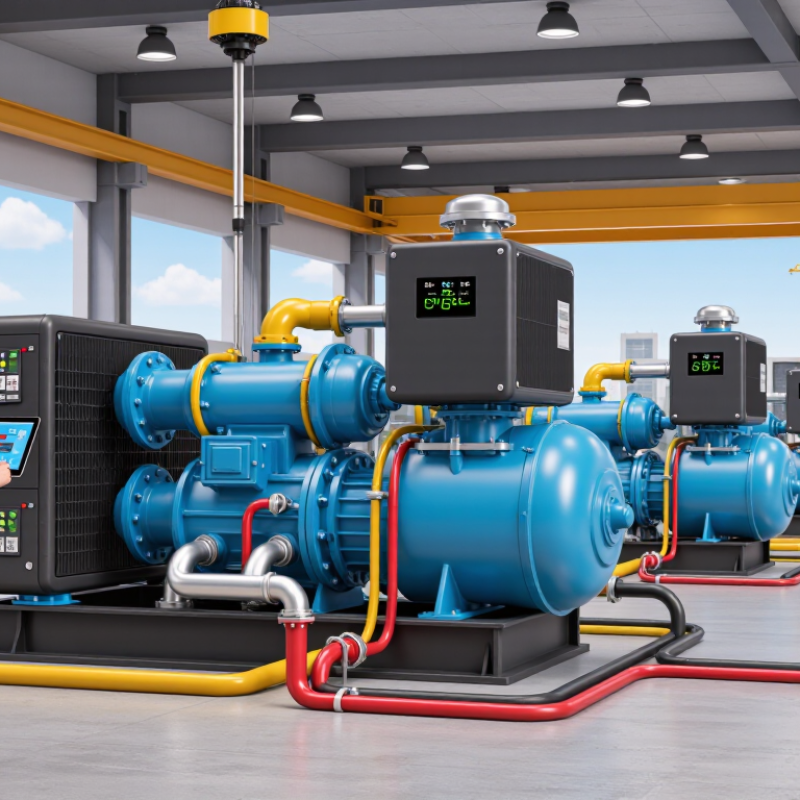
Start with a load list, not a guess. Record the rated watts of lights, pumps, compressors, heating equipment, and control systems. Separate continuous loads from equipment that runs only occasionally. A neat spreadsheet can still be wrong.
Check starting demand carefully. Motors may need three to seven times their running power for a few seconds. Refrigeration units and water pumps often create this surge. Measure actual current when possible. Nameplate data helps, but it can be incomplete or outdated. I have seen projects fail because operators sized the generator for average demand only.
Include the largest motor start and the other loads operating at that moment. Then allow practical capacity for future equipment, usually around 15 to 25 percent. Avoid excessive oversizing, because a lightly loaded gas generator may run inefficiently and require closer maintenance attention. Site conditions also matter. High altitude, heat, restricted airflow, and variable gas pressure can reduce available output. Ask a qualified technician to confirm the derating figures and phase requirements. Do not overlook voltage balance. Uneven single-phase loads can stress a three-phase system. Recheck the figures onsite. That step is easy to skip.
Compare Fuel Types, Engine Options, and Operating Conditions
Fuel choice starts with availability, storage, and expected running hours. Diesel suits heavy loads and frequent operation, especially where fuel delivery is reliable. Natural gas burns cleanly and supports continuous use, but supply pressure must remain stable. LPG can work well at remote sites, although tank size affects runtime. Dual-fuel systems offer flexibility, yet their controls require careful commissioning.
Engine selection should match the load profile, not only the rated output. High-speed engines are compact and often cost less. Medium-speed engines may provide longer service life under demanding workloads. Variable loads need an engine that responds smoothly without excessive wet stacking or unstable frequency. That detail matters.
Operating conditions can change performance quickly. At high altitude, thinner air reduces engine power and may require derating. Hot, dusty locations need larger cooling capacity and better filtration. Cold weather can affect starting, oil flow, and battery output. Ventilation must remove heat while preventing exhaust gases from entering occupied areas. A qualified technician should verify these calculations.
A spreadsheet can still mislead. I have seen projects choose a smaller set because the average load looked acceptable. Short motor-starting surges later caused nuisance trips. The overlooked detail? Start-up current. Record motor sizes, load steps, ambient temperature, altitude, and future expansion before approving the generator set.
Choosing gas generator capacity starts with the site’s real electrical demand, not the largest motor listed on a plan. Record running loads during normal operations, then identify equipment with high starting currents. Pumps, compressors, and refrigeration systems may briefly require two to seven times their operating power. A neat spreadsheet can still be wrong.
Select a generator based on continuous, prime, or standby duty. Continuous operation needs stable output for long working hours. Standby systems can support emergency loads, but their rated capacity must handle sudden transfers. Add reasonable headroom, often 15% to 25%, for future equipment and uneven loading. Oversizing is not harmless. Light loads can reduce efficiency and cause maintenance concerns.
Configuration matters as much as capacity. A three-phase set suits industrial motors, while single-phase output may fit smaller facilities. Check voltage, frequency, gas pressure, altitude, and ambient temperature before approving the design. At high elevations or in hot rooms, engine output can fall. Parallel generator sets may improve flexibility and maintenance planning. However, synchronization controls add cost and technical complexity. Keep critical circuits separate through an automatic transfer system, and test the changeover under realistic conditions. Do not rely only on a factory data sheet; site measurements often reveal assumptions that need correction.
| Selection Dimension | Reference Data or Calculation | Recommended Choice | Important Considerations |
|---|---|---|---|
| Required Generator Capacity | Generator kVA = Required load kW ÷ Power factor. At a power factor of 0.80, 100 kVA equals approximately 80 kW. | Select a rating that covers the calculated continuous load and the largest starting demand. | Do not size only from the average load. Include motors, pumps, compressors, transformers, and other inductive equipment. |
| Light Commercial Load Small offices, retail units, and basic services | Typical range: 25–60 kVA, equivalent to approximately 20–48 kW at 0.80 power factor. | Use a compact gas generator set with automatic transfer switching for essential circuits. | Check whether the available gas supply can support the generator at full rated output. |
| Medium Commercial or Industrial Load Workshops, supermarkets, and production areas | Typical range: 80–200 kVA, equivalent to approximately 64–160 kW at 0.80 power factor. | Choose a three-phase set with an automatic voltage regulator and adequate motor-starting capability. | Review load sequencing so large motors do not start simultaneously. |
| Large Industrial or Facility Load Data facilities, factories, and utility services | Typical range: 250–1,000 kVA, equivalent to approximately 200–800 kW at 0.80 power factor. | Consider multiple synchronized generator sets operating in parallel instead of one large unit. | Parallel systems can improve partial-load efficiency, maintenance flexibility, and redundancy. |
| Design Reserve | A practical planning allowance is commonly 15–25% above the calculated running load. | Select the next suitable standard rating after applying the reserve and starting-load assessment. | Avoid excessive oversizing. Operating far below rated load for long periods can reduce efficiency and increase maintenance concerns. |
| Operating Duty | Standby duty is used during utility outages. Prime duty supports variable loads where utility power is unavailable or unreliable. | Use standby-rated equipment for emergency backup and prime-rated equipment for regular or extended operation. | The selected duty rating must match the expected annual operating hours and load profile. |
| Gas Fuel Type | Natural gas is generally suitable where a stable pipeline supply is available. Biogas requires appropriate treatment and engine compatibility. | Select the engine and gas train according to gas composition, methane content, pressure, and contamination level. | Confirm gas pressure and flow at the generator inlet under maximum load, not only at no-load conditions. |
| Load Starting Characteristics | Across-the-line motor starting can require several times the motor's running current, depending on the motor and starting method. | Use a higher-capacity set, soft starter, variable-frequency drive, or staged load-starting sequence when required. | Verify voltage dip and frequency recovery requirements for sensitive equipment. |
| Configuration for Reliability | A single set provides basic backup. An N+1 arrangement provides one additional unit beyond the number required to carry the critical load. | Use N+1 or another redundant configuration for hospitals, data facilities, and continuous-process operations. | Include synchronized controls, load sharing, independent protection, and maintenance bypass provisions. |
| Installation Environment | Ambient temperature, altitude, ventilation, noise limits, and enclosure conditions affect available output. | Apply the manufacturer's derating data for high altitude, high temperature, restricted airflow, or enclosed installation. | Provide adequate combustion air, cooling airflow, exhaust routing, fire protection, and safe maintenance access. |
| Recommended Assessment Method | Record connected load, measured demand, power factor, motor-starting requirements, expected growth, and critical-load priorities. | Base the final selection on a load study rather than connected-load totals alone. | Final sizing should be verified by a qualified electrical engineer and coordinated with local codes and utility requirements. |
Note: Capacity examples use a 0.80 power factor for illustration. Actual generator selection depends on the complete load profile, operating duty, gas supply, environmental conditions, transient performance, and applicable local regulations.
Efficiency begins with the actual load, not the generator’s advertised maximum output. Measure the site’s normal demand, starting current, and seasonal changes before choosing capacity. Measure the load. A unit operating near its efficient range usually consumes less fuel and produces steadier power. Oversizing can cause low-load operation, carbon buildup, and unnecessary purchase costs. Ask for fuel-consumption data at 25%, 50%, 75%, and 100% load. Emissions matter too. Check the exhaust system, local air-quality requirements, and available ventilation before installation. A quieter engine is helpful, but poor ventilation remains dangerous.
Safety checks should cover fuel lines, electrical connections, emergency stops, grounding, and carbon-monoxide monitoring. Keep clear access around the enclosure, especially near hot surfaces and moving belts. A qualified technician should verify installation, protection devices, and transfer equipment. Site experience shows that small layout mistakes often create larger service problems later. Do not rely only on factory settings. Conditions change with altitude, temperature, and gas pressure.
Maintenance needs should match the operating environment and staff skills. Review oil changes, filter replacement, spark-plug inspection, coolant checks, battery testing, and control-system records. A simple maintenance log can reveal rising fuel use before a failure occurs. Test the set under realistic load, not only during a brief no-load start. I have seen teams postpone inspections because the engine “still sounds normal.” That judgment can be wrong. Spare filters and critical service parts should be stored safely, while trained personnel follow documented procedures.
How to Choose the Right Gas Generator Set?
A suitable gas generator set begins with an accurate site assessment. Check available space, ventilation openings, exhaust routing, fuel pressure, and foundation strength. Measure doorways and service clearances, not just the equipment room. A unit may fit on paper but fail during maintenance access. Confirm the expected load profile, including motor starting currents and sensitive electronic equipment. Ask a qualified electrician to verify transfer equipment, grounding, protection, and control wiring. Remote monitoring should display alarms, output, runtime, and shutdown events clearly. Simple controls often perform better than complicated systems nobody understands.
Tips: Request a detailed installation checklist. Test the emergency stop. Simulate a utility failure. Review alarm labels with operators. Keep clear access around filters and batteries.
Long-term support deserves equal attention. Ask whether trained technicians can reach the site quickly and whether service records are easy to obtain. Check parts availability, inspection intervals, software support, and technician training. A load-bank test before handover can reveal unstable voltage or poor temperature control. It is tempting to trust factory settings, but actual site conditions may differ. Fuel quality, altitude, heat, and seasonal demand can change performance. One overlooked detail can become an expensive interruption. Require clear manuals, maintenance schedules, warranty terms, and escalation contacts. Good support is practical, documented, and available after commissioning.
An exceptional record of quality and service for 35+ years.
© 2026 Excell Battery Co. All rights reserved.Privacy Statement