
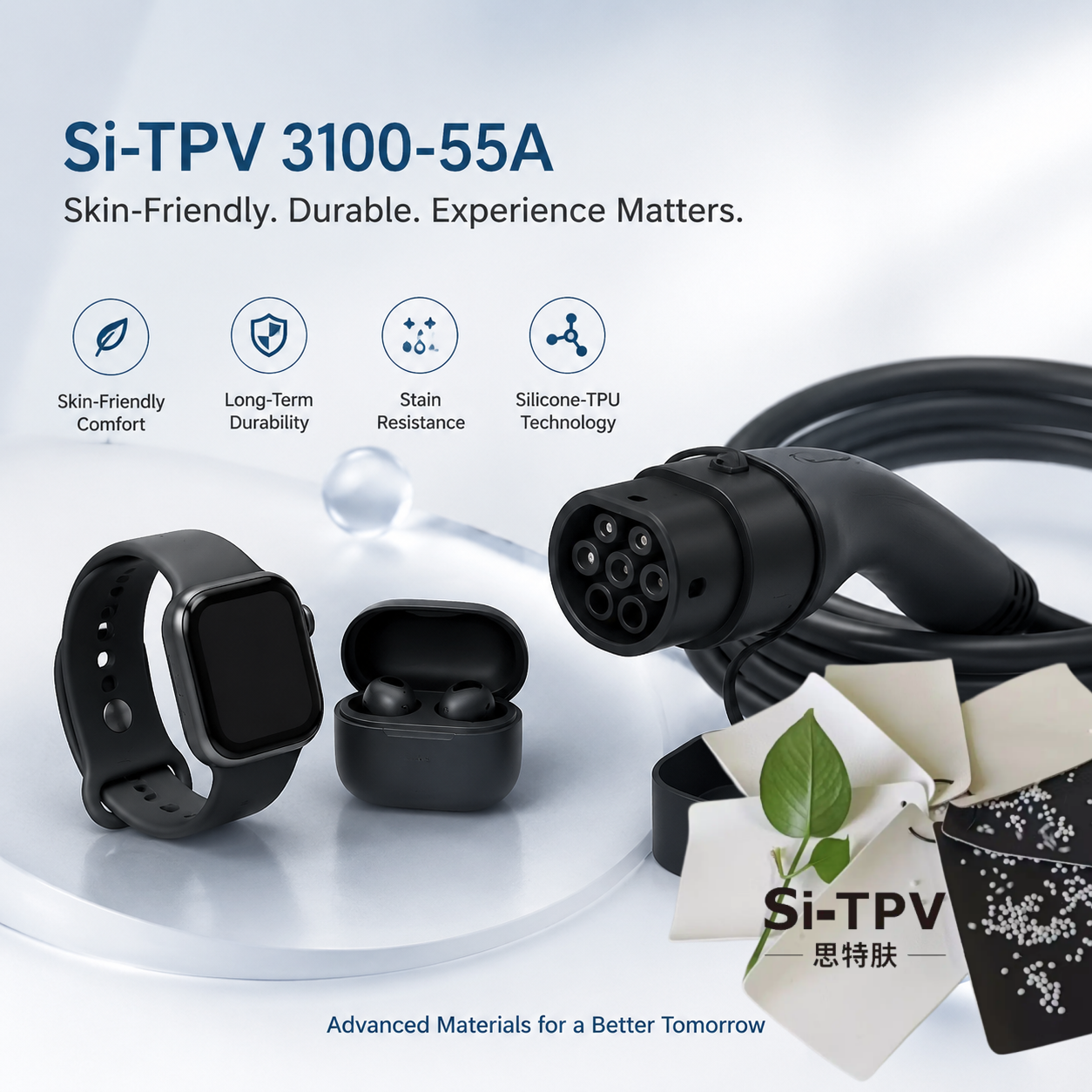
Recent industry developments in 2026 highlight a clear transition in material requirements:
Smart wearable devices are increasingly designed for all-day skin contact comfort
l EV charging systems demand high abrasion resistance and long-term weather stability
l Consumer electronics emphasize premium tactile aesthetics and surface durability
While traditional TPU materials provide strong mechanical properties and processability, they often face challenges such as surface stickiness, inconsistent tactile performance, and reduced stain resistance over time, especially under long-term use conditions.
This gap is driving demand for advanced modification technologies that can enhance both performance and user experience.
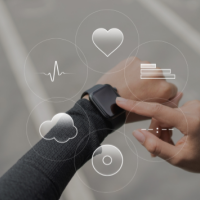
Si-TPV 3100-55A delivers a silky, skin-like tactile experience, making it suitable for applications involving prolonged skin contact such as wearable devices and handheld electronics.
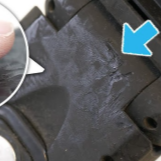
Unlike conventional soft-touch materials, the system is designed to maintain consistent tactile performance over time, reducing issues such as surface degradation or stickiness.
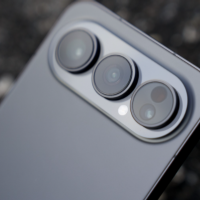
The material demonstrates improved resistance to sweat, sebum, and environmental contaminants, helping maintain a clean and premium appearance in daily-use scenarios.
Si-TPV technology enables a balance between softness and mechanical durability, ensuring resistance to abrasion, deformation, and repeated flexing.
The growing adoption of Si-TPV 3100-55A reflects a broader materials science trend:
Material innovation is no longer defined solely by mechanical strength, but by the ability to deliver a consistent user experience throughout the product lifecycle.
This shift is particularly evident in sectors where users directly interact with surfaces for extended periods, making tactile comfort and surface durability critical competitive factors.
Si-TPV 3100-55A represents a new generation of silicone-TPU hybrid elastomers designed to bridge the gap between skin-friendly comfort and industrial durability. As wearable technology and electric mobility continue to expand, demand for materials that combine long-term tactile stability with high-performance processing capability is expected to grow significantly.
With its dynamic silicone dispersion architecture and TPU compatibility, Si-TPV 3100-55A is positioned as a key enabling material in the transition toward experience-driven material design.
SILIKE Silicone Materials Team
Website: https://www.si-tpv.com/
Email: [email protected]
Inquiry: Available via official website contact form


An exceptional record of quality and service for 35+ years.
© 2026 Excell Battery Co. All rights reserved.Privacy Statement