2026 Best Lithium Ion Battery Recycling Companies?

The 2026 market for lithium ion battery recycling is becoming more competitive, but “best” depends on measurable performance. A large factory alone proves little. Readers should examine recovery rates, processing capacity, battery chemistry expertise, safety records, and transparent environmental reporting. These details matter when damaged electric vehicle packs arrive with heat, corrosion, or hidden charge.

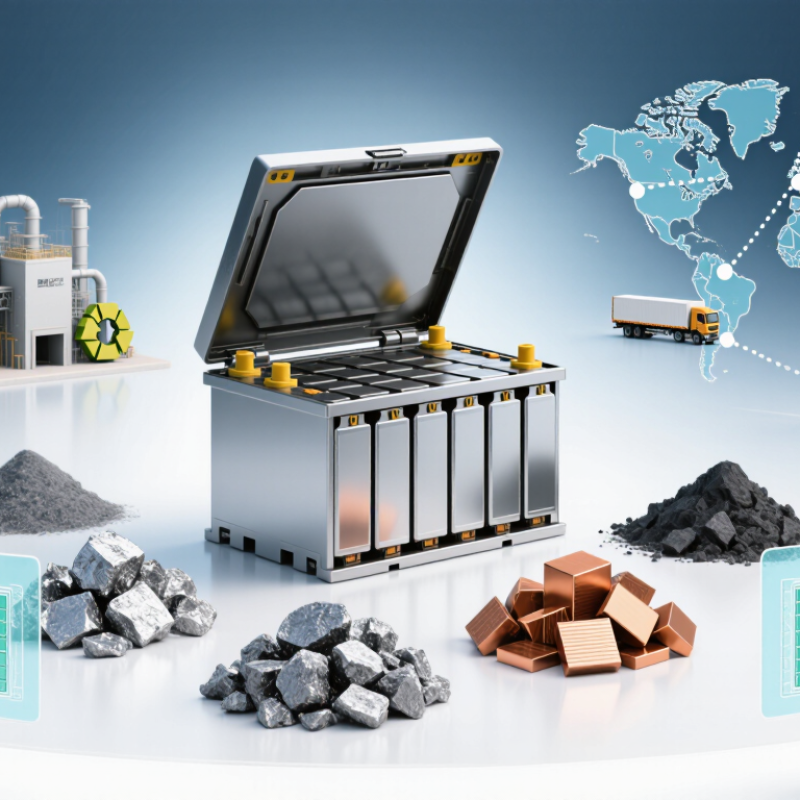
Industry analyst Hans Eric Melin has warned, “There is no shortage of batteries to recycle, but there is a shortage of recycling capacity.” That observation remains important in 2026. Collection networks are expanding, yet some companies still depend on future battery volumes and optimistic financial models. The strongest operators combine regional collection systems with proven hydrometallurgical or mechanical processes. They also show how recovered lithium, nickel, cobalt, copper, and graphite re-enter manufacturing.

This guide compares leading lithium ion battery recycling companies through practical evidence, not promotional claims. It considers commercial scale, technology maturity, feedstock access, product quality, and responsible operations. Public data is sometimes incomplete. That deserves scrutiny.

No ranking is permanent.

A company may lead in North America but lack European reach. Another may recover valuable metals efficiently but struggle with profitability. Investors, manufacturers, and sustainability teams should read each profile carefully. The most credible companies communicate limitations, publish measurable results, and improve their processes over time. That humility matters. Battery recycling is essential, but it is not a perfect solution. Longer battery life, repairability, safer design, and better collection systems must develop alongside it.
2026 Best Lithium Ion Battery Recycling Companies?

What Is Lithium-Ion Battery Recycling and Why Does It Matter?

Lithium-ion battery recycling means collecting used batteries, safely discharging them, and separating valuable materials. Facilities may dismantle packs, shred cells, and produce “black mass,” containing lithium, nickel, cobalt, manganese, and graphite. Hydrometallurgical and thermal processes then recover selected materials for new battery production.

The need is becoming urgent. The International Energy Agency reported that electric vehicle battery demand exceeded 750 GWh in 2023, rising by about 40% from the previous year. The same agency estimates that recycling could reduce new mining needs for lithium, nickel, cobalt, and copper by 10% in 2040. That sounds significant, but supply depends on timing. Many batteries sold today have not reached retirement.

When evaluating the best recycling companies in 2026, examine recovery rates, fire-control systems, traceability, and the quality of recovered materials. The U.S. Department of Energy also stresses domestic processing and circular supply chains. A credible operator should show independent testing, documented feedstock sources, and clear waste controls.

Small details matter. A damaged battery can arrive in a steel container, not a cardboard box. Yet public recycling data remains uneven, and reported recovery rates are not always comparable. That is a problem worth admitting. Better measurement may matter as much as bigger factories.
How to Evaluate the Best Lithium-Ion Battery Recycling Companies in 2026

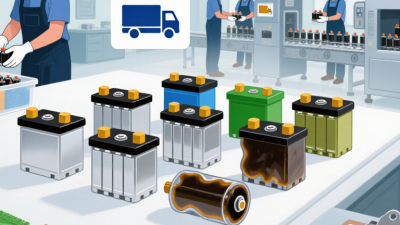
Choosing the best lithium-ion battery recycling company in 2026 requires more than comparing advertised recovery rates. Examine its real operating experience, technical expertise, and evidence from independent audits. A trustworthy provider should explain how it handles damaged, mixed, or aging battery packs. Ask for recent facility data, safety procedures, and documented chain-of-custody records.

Material recovery is only one measure. Check the quality and consistency of recovered metals, including lithium, nickel, cobalt, copper, and manganese. Strong operators publish testing methods and explain where processed materials go. Their facilities should show clear controls for fire prevention, worker training, emissions, and wastewater. Visit the site if possible. Look closely at storage areas, labeling, ventilation, and emergency equipment.

Commercial reliability also deserves careful attention. Review contract terms, insurance coverage, transport procedures, and pricing adjustments for changing battery chemistry. A company dependent on one feedstock source may face interruptions. Ask how it manages batteries with unusual designs or low material value. Public claims can sound precise, yet independent verification is sometimes limited. That weakness should be acknowledged, not hidden. I would also compare customer references, project timelines, and reported recovery results across several quarters. One impressive pilot project proves little. Consistent performance matters more. A careful evaluation may feel slower, but it can reveal whether the company delivers safe, traceable, and economically credible recycling at industrial scale.

2026 Best Lithium-Ion Battery Recycling Companies? - How to Evaluate the Best Lithium-Ion Battery Recycling Companies in 2026

Use this company-neutral scorecard to compare lithium-ion battery recyclers without relying on brand reputation alone. The benchmarks combine regulatory requirements, engineering performance indicators, operational controls, and independently verifiable evidence. A higher weighted score indicates stronger documented performance, not an automatic guarantee of commercial suitability.

2026 Lithium-Ion Battery Recycling Company Evaluation Scorecard
Evaluation Dimension Weight What a Strong Candidate Should Demonstrate Reference Benchmark or Data Point Recommended Verification Evidence
Material Recovery Performance 20% Consistent recovery of lithium and other economically important materials, with results reported by battery chemistry and input type. The EU target for lithium recovery is 50% by 31 December 2027 and 80% by 31 December 2031. Third-party mass-balance reports, batch-level recovery data, assay results, and a clear definition of the recovery boundary.
Recycling Efficiency 10% High conversion of collected battery material into usable recycled output while minimizing rejects and disposal residues. For lithium-based batteries, the EU recycling-efficiency target is 65% by 31 December 2025 and 70% by 31 December 2030. Verified input-output calculations, residue records, permitted disposal documentation, and independently reviewed plant data.
Feedstock Coverage 10% Ability to process relevant streams such as production scrap, consumer batteries, electric-vehicle packs, modules, and black mass. A robust provider publishes accepted chemistries, pack formats, state-of-charge limits, contamination rules, and minimum shipment requirements. Written acceptance specification, sample qualification procedure, processing-flow diagram, and documented rejection rates.
Battery Chemistry Capability 8% Validated handling of common lithium-ion chemistries, including nickel-rich, cobalt-containing, lithium-iron-phosphate, and manganese-bearing materials. Performance should be reported separately by chemistry because lithium, nickel, cobalt, manganese, graphite, and copper values differ substantially by feedstock. Chemistry-specific test results, product specifications for recovered materials, and documented process-control limits.
Safety and Hazardous-Material Controls 12% Strong controls for thermal runaway, damaged or defective batteries, fire detection, isolation, emergency response, and transport preparation. The operating system should address lithium-ion fire risks from collection through discharge, storage, mechanical treatment, and residue management. Fire-prevention plan, incident statistics, emergency drills, insurance coverage, worker-training records, and site inspection reports.
Regulatory Compliance 10% Current permits and documented compliance for waste handling, air emissions, water discharge, occupational safety, and hazardous-material transportation. Compliance should be demonstrated in every jurisdiction where the material is collected, transported, processed, or sold. Operating permits, regulator inspection history, corrective-action records, transport authorizations, and environmental audits.
Traceability and Chain of Custody 8% End-to-end visibility from collection to final recovered product, including ownership, destination, processing stage, and residue route. A strong system provides lot-level or shipment-level records and prevents double counting of recycled content or recovery claims. Digital tracking records, certificates of recycling, weighbridge tickets, downstream contracts, and audit-trail samples.
Recovered-Product Quality 8% Recovered lithium compounds, nickel, cobalt, manganese, copper, aluminum, graphite, or intermediate products meet stated buyer specifications. Quality should be demonstrated using measurable purity, moisture, particle-size, impurity, and consistency specifications appropriate to the product. Certificates of analysis, customer acceptance criteria, representative sampling plans, and nonconformance records.
Environmental Footprint 7% Documented reduction of energy use, greenhouse-gas emissions, water consumption, and disposal compared with primary-material production or alternative treatment. Prefer independently reviewed life-cycle or carbon assessments that state system boundaries, electricity mix, transport assumptions, and allocation method. ISO 14040/14044-aligned life-cycle assessment, energy records, emissions data, water balance, and waste-diversion results.
Commercial Readiness and Capacity 5% Reliable operation at commercial scale, transparent capacity, realistic ramp-up plans, and sufficient logistics for contracted volumes. Separate laboratory, pilot, demonstration, and commercial throughput; do not treat announced capacity as operating capacity. Operating-hours data, annual processed tonnage, utilization rate, maintenance records, customer contracts, and audited financial disclosures where available.
Economic and Contract Transparency 2% Clear pricing formula, ownership of recovered materials, treatment fees, liability allocation, and provisions for commodity-price changes. The contract should define settlement terms for lithium, nickel, cobalt, copper, aluminum, black mass, residues, and rejected material. Sample commercial agreement, pricing formula, service-level agreement, payment history, and dispute-resolution terms.

Regulatory reference points in this framework are based on the European Union Batteries Regulation (EU) 2023/1542, including lithium recovery targets, recycling-efficiency targets for lithium-based batteries, and material-recovery targets for cobalt, copper, lead, nickel, and related materials. Verify the latest local requirements before making a 2026 purchasing or investment decision.

Leading Lithium-Ion Battery Recycling Companies and Their Technologies

2026 Best Lithium Ion Battery Recycling Companies?

Leading lithium-ion battery recyclers combine safe collection, precise sorting, and material recovery. Their technologies usually begin with controlled discharge and mechanical separation. Shredders, screens, magnets, and air classifiers isolate copper, aluminum, plastics, and black mass.

The process is highly technical. Hydrometallurgy uses measured chemical solutions to recover lithium, nickel, cobalt, and manganese. Pyrometallurgy relies on high-temperature treatment, but it can consume more energy. Direct recycling attempts to preserve cathode structures, which may reduce processing steps. It remains less mature for mixed battery streams.

Experienced facilities identify cell chemistry before treatment. Lithium iron phosphate batteries behave differently from nickel-rich chemistries. Moisture control matters. So does fire prevention. Operators monitor temperature, gas levels, and particle movement inside sealed equipment. Small mistakes can damage an entire batch.

Reliable recyclers also use laboratory testing and documented chain-of-custody records. Independent analysis can verify recovered material quality. However, public recovery figures are not always comparable. Some companies report input weight, while others report refined output. That difference needs more transparency.

Automation improves sorting, yet human inspection remains useful. Damaged cells can confuse sensors. Manual checks are slower, but sometimes safer.

No recycling route is perfect. Energy use, chemical consumption, transport distance, and recovery yield still require careful trade-offs. Better systems may depend on cleaner electricity and more consistent battery labeling.

How Lithium-Ion Batteries Are Collected, Processed, and Recovered

Lithium-ion battery recycling begins long before a recovery plant receives a shipment. Collection points accept batteries from vehicles, electronics, tools, and energy-storage systems. Workers inspect swelling, leakage, damaged cases, and missing labels. They isolate risky units and cover exposed terminals. Small details matter. Batteries then move in approved containers with records linking each load to its source.

At the facility, technicians may discharge, dismantle, and sort packs before mechanical processing. Cooling systems, wiring, steel, aluminum, and plastics are separated where practical. Shredding occurs inside controlled equipment that limits dust, heat, and accidental ignition. The resulting material, often called black mass, contains valuable active metals. Chemical or thermal methods then separate lithium, nickel, cobalt, manganese, copper, and other fractions. Each output requires testing for moisture, purity, particle size, and contamination.

Recovered materials can return to refined-material supply chains, but results vary by chemistry and battery design. Older packs may arrive mixed, dirty, or poorly documented. Manual sorting remains necessary. That is a weakness, not a marketing detail. Energy use, transport distance, and process yield should be measured together. A credible operator publishes safety procedures, audits data, and explains what recovery actually means. Even then, no facility recovers every gram.

Key Challenges and Future Trends in Battery Recycling for 2026

Battery recycling in 2026 is becoming a core part of the energy supply chain. Used batteries contain valuable lithium, nickel, cobalt, copper, and graphite. Recovering these materials can reduce mining pressure and improve supply resilience. However, recycling performance varies widely between facilities. Feedstock matters.

The main challenge is battery diversity. Cell chemistry, format, state of charge, and damage levels affect every processing step. Safe collection and transport remain essential because damaged batteries may overheat or ignite. Facilities also face high energy costs, complex dismantling, and inconsistent material quality. Black mass is not automatically a usable product. It requires testing, refining, and careful quality control. Some recovery claims still need stronger independent verification.

Future trends will likely include better sorting, automated dismantling, and improved traceability from collection to refined material. Hydrometallurgical methods may support higher recovery rates, while direct recycling could preserve more of a battery’s structure. Yet direct recycling is not a universal solution. It depends on stable chemistry and clean production streams. Digital records may help recyclers identify battery composition before processing. Design changes could matter even more, including easier disassembly and fewer mixed materials. The industry should measure recovery by usable output, not impressive percentages alone. This remains an uncomfortable gap. More transparent reporting, third-party testing, and realistic lifecycle assessments will be needed before investors and manufacturers can compare recycling companies fairly.

2026 Lithium-Ion Battery Recycling: EU Material Recovery Targets

The European Union Battery Regulation sets minimum material recovery targets for recycled lithium-ion batteries: 50% for lithium and 90% for cobalt, copper, lead, and nickel by 2027; these targets increase to 80% and 95%, respectively, by 2031. The rising thresholds highlight key industry challenges, including collection efficiency, black-mass quality, energy consumption, and cost-effective recovery technologies.

Source: Regulation (EU) 2023/1542 concerning batteries and waste batteries.

An exceptional record of quality and service for 35+ years.