Choosing the right lithium car battery in 2026 requires more than comparing voltage, capacity, and price. Global buyers must examine chemistry, vehicle compatibility, climate, charging habits, and long-term support. Lithium iron phosphate batteries, commonly called LFP, offer strong thermal stability and impressive cycle life. Nickel manganese cobalt batteries, known as NMC, usually provide higher energy density in a lighter package. Lithium titanate batteries, or LTO, charge rapidly and perform well in demanding cold or commercial applications.
This guide introduces the leading lithium car battery types available for international markets. It considers practical ownership details, including battery management systems, usable capacity, warranty terms, recycling plans, and replacement access. A battery may look excellent on a specification sheet but perform poorly with an unsuitable charger or weak thermal control. Safety comes first. Buyers should verify recognized testing, installation requirements, and regional vehicle standards before purchase.
Real-world experience also reveals compromises. LFP can add weight, while NMC may require stricter temperature management. LTO often costs more and stores less energy for its size. No chemistry wins every comparison. Even experienced buyers can overlook connector design, software compatibility, or winter range loss. That is worth admitting. Reliable decisions come from matching battery behavior with daily driving, not chasing the highest headline figure. The following overview helps fleet operators, distributors, and private drivers compare the most relevant lithium car battery options with clearer expectations for 2026.
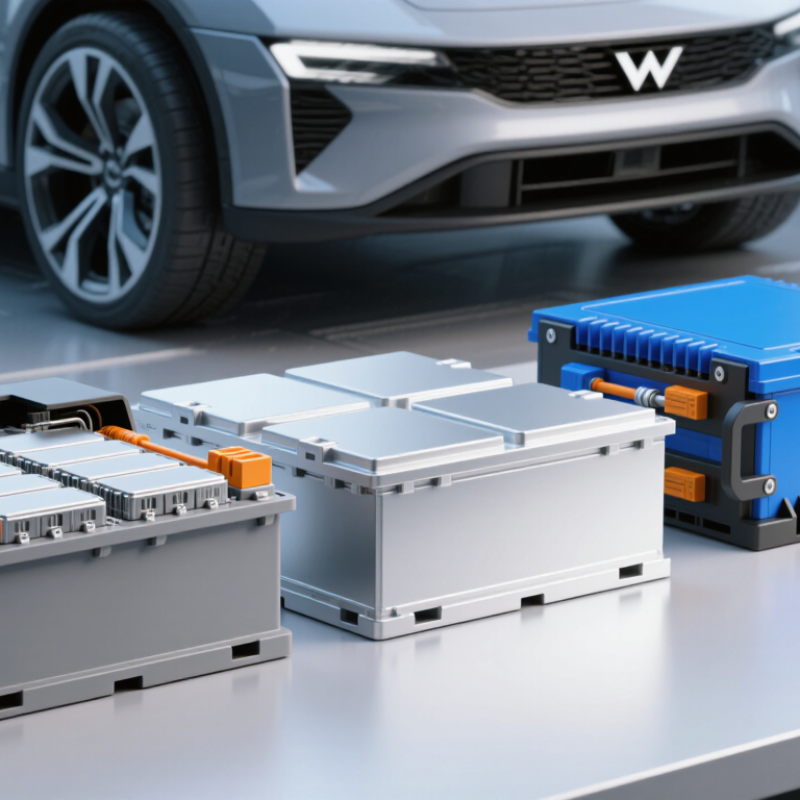
Lithium car batteries are not one universal product. Buyers classify them by chemistry, cell format, voltage, capacity, and vehicle purpose.
Lithium iron phosphate batteries emphasize thermal stability and long service life. Nickel-manganese-cobalt batteries usually provide higher energy density in a smaller space. Lithium nickel-cobalt-aluminum cells can also support high energy density, but their design requires careful thermal control.
Chemistry changes weight, charging behavior, cost, and usable capacity.
A practical classification starts with voltage. A low-voltage auxiliary battery may support vehicle electronics, while a high-voltage traction pack powers the motor. Capacity is stated in ampere-hours, but watt-hours show energy more clearly. Multiply nominal voltage by ampere-hours.
Small details matter. Cell formats include cylindrical, prismatic, and pouch designs. Each affects cooling, repair access, packaging, and production consistency.
The battery management system monitors voltage, temperature, current, and balancing. Never judge a pack from capacity alone.
For global purchasing, request a clear datasheet and test conditions. Check nominal voltage, peak current, operating temperature, cycle-life method, ingress protection, and warranty limits.
Relevant evaluation may include IEC 62660 cell testing, ISO 12405 pack testing, and UN 38.3 transport requirements. Requirements differ by market and vehicle category.
Cycle-life figures can look impressive under gentle laboratory conditions. Real traffic, winter charging, and repeated fast charging may produce different results.
I would compare test methods before comparing numbers. That step is often missed.
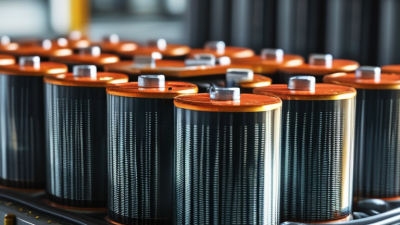
Modern electric vehicles mainly use lithium iron phosphate, nickel manganese cobalt, or nickel cobalt aluminum batteries. Each chemistry changes driving range, charging behavior, cost, and safety requirements.
Lithium iron phosphate batteries offer strong thermal stability and long cycle life. They tolerate frequent charging and often suit city vehicles, taxis, and entry-level cars. Their lower energy density can increase pack weight. Cold mornings may also reduce their available power. This weakness deserves attention in northern markets.
Nickel manganese cobalt batteries provide higher energy density for longer-range vehicles. They can store more energy within a similar pack size. However, they require careful thermal management and precise battery monitoring. NCA cells also deliver high energy density, but their design demands disciplined temperature control. Real roads are messier. Heavy traffic, steep hills, and fast charging create heat that laboratory figures cannot fully show.
Battery choice should match climate, vehicle weight, charging access, and expected mileage. A buyer should examine usable capacity, not only the advertised capacity. Pack structure, cooling hardware, and software calibration strongly affect real performance. Chemistry alone does not decide battery quality. That point is easy to overlook.
For global buyers in 2026, lithium car batteries differ most in energy density, heat tolerance, and ageing behavior. Nickel-manganese-cobalt and nickel-cobalt-aluminum cells usually store more energy in less space. That helps larger vehicles and colder climates. However, their higher nickel content can increase thermal-management demands. Lithium iron phosphate cells generally offer stronger thermal stability and lower material-cost exposure. The International Energy Agency reported that LFP batteries approached half of the global electric-car battery market in 2023.
Lifespan depends on chemistry and use, not chemistry alone. Controlled testing commonly places LFP cells near 2,000–5,000 full cycles. High-nickel cells often reach about 1,000–2,000 cycles under comparable conditions. These are practical ranges, not promises. Frequent fast charging, high temperatures, and keeping a battery near full charge can accelerate capacity loss. Real roads are messier. The U.S. Department of Energy’s vehicle battery targets also emphasize durability over long service periods, including calendar ageing and repeated cycling.
Safety should be judged at pack level. Cell chemistry matters, but cooling channels, sensors, software limits, and crash protection matter too. BloombergNEF’s 2024 Battery Price Survey recorded an average lithium-ion pack price of 115 U.S. dollars per kilowatt-hour, encouraging wider LFP adoption. Yet lower cost may bring greater weight for the same driving range. NMC can deliver more range per kilogram, while LFP may suit daily commuting and hot regions better. Buyers should question laboratory claims, because temperature and charging habits often change the result.
Choosing a lithium car battery starts with the vehicle’s weight, range target, and daily driving pattern. A larger battery is not automatically better. For urban commuting, lithium iron phosphate chemistry can offer strong cycle life, stable performance, and lower material concerns. City driving suits it well. It may also tolerate frequent charging better than some alternatives. However, its heavier pack can reduce efficiency in compact vehicles.
Nickel-rich lithium chemistries provide higher energy density for long-distance cars, performance models, and vehicles with limited battery space. They can deliver useful range without excessive weight. Cold climates require closer attention. Low temperatures can reduce charging speed and available power, regardless of chemistry.
A reliable battery system should include preheating, liquid cooling, and accurate temperature monitoring.
Towing, steep roads, and heavy passenger loads increase energy demand. Buyers should compare usable capacity, charging curves, thermal protection, warranty terms, and regional service support. Laboratory range figures can mislead real drivers. Wind, traffic, hills, and winter heating matter. I would test the vehicle under its actual route before choosing a battery type. That step is often skipped. Check certified safety testing and local compliance requirements, too. A battery matched to the wrong climate or driving routine may disappoint, even when its specifications look impressive.
2026 Top Lithium Car Battery Types for Global Buyers
Global Buying Factors for Selecting Lithium Car Batteries in 2026
Choosing a lithium car battery starts with vehicle compatibility, not chemistry alone. Check the required voltage, capacity, terminal layout, charging limits, and battery compartment dimensions. A small mismatch can create expensive installation problems.
Lithium iron phosphate batteries offer strong thermal stability and long cycle life. They suit many daily vehicles, though their energy density may be lower. Nickel-rich lithium batteries can provide more stored energy in limited space. They may require stricter thermal control and careful charging management. Lithium titanate batteries support rapid charging and cold-weather performance, but their higher cost needs justification. No chemistry wins every market.
Climate and road conditions matter. A buyer in northern Europe may prioritize low-temperature charging protection. A fleet operator in a hot region may value cooling design and stable cycle performance. Ask for verified test data, not only a sales estimate. Review the battery management system, cell balancing, overcurrent protection, and communication compatibility with the vehicle.
Documentation also affects international purchasing. Request transport test records, safety certification, installation instructions, warranty terms, and batch traceability. Local regulations may differ, so import requirements must be checked before payment. Service availability matters too. A cheaper battery becomes less attractive when replacement support takes weeks.
I would not judge value from price alone. Real cost includes downtime, charging equipment, shipping, inspection, and expected service life. Some calculations remain uncertain because driving patterns vary. That uncertainty deserves honest discussion before a global buyer commits.
Lithium iron phosphate (LFP) batteries prioritize safety, durability, and long cycle life, while nickel-rich NMC and NCA chemistries generally provide higher energy density for longer driving range. Lithium titanate (LTO) offers exceptional cycle life and fast charging capability but has lower energy density and higher system weight.
Values are representative chemistry-level midpoints from commonly reported industry ranges. Actual performance varies according to cell design, battery management systems, temperature, charging conditions, and vehicle integration.
An exceptional record of quality and service for 35+ years.
© 2026 Excell Battery Co. All rights reserved.Privacy Statement