What Are the Top 10 Lithium Ion Battery Recycling Companies?

The rapid growth of electric vehicles is making lithium ion battery recycling a strategic industrial priority. The International Energy Agency’s Global EV Outlook 2024 reported nearly 14 million electric car sales in 2023. It also estimated that battery demand for electric vehicles exceeded 750 GWh worldwide. More batteries now reach factories, service centers, and dismantling facilities. Some are damaged. Others still hold valuable materials.

This article examines the top 10 lithium ion battery recycling companies shaping this market. The comparison considers collection networks, processing capacity, chemistry expertise, safety systems, recovery rates, and supply agreements. It also considers whether companies can manage batteries beyond passenger vehicles, including buses, energy storage systems, and production scrap. The U.S. Department of Energy identifies recycling as essential for strengthening domestic battery supply chains and reducing reliance on newly mined materials.

The details matter.

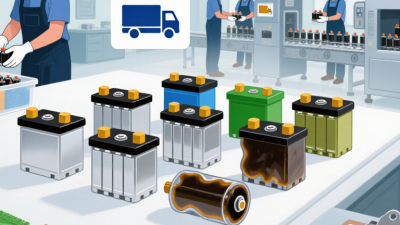
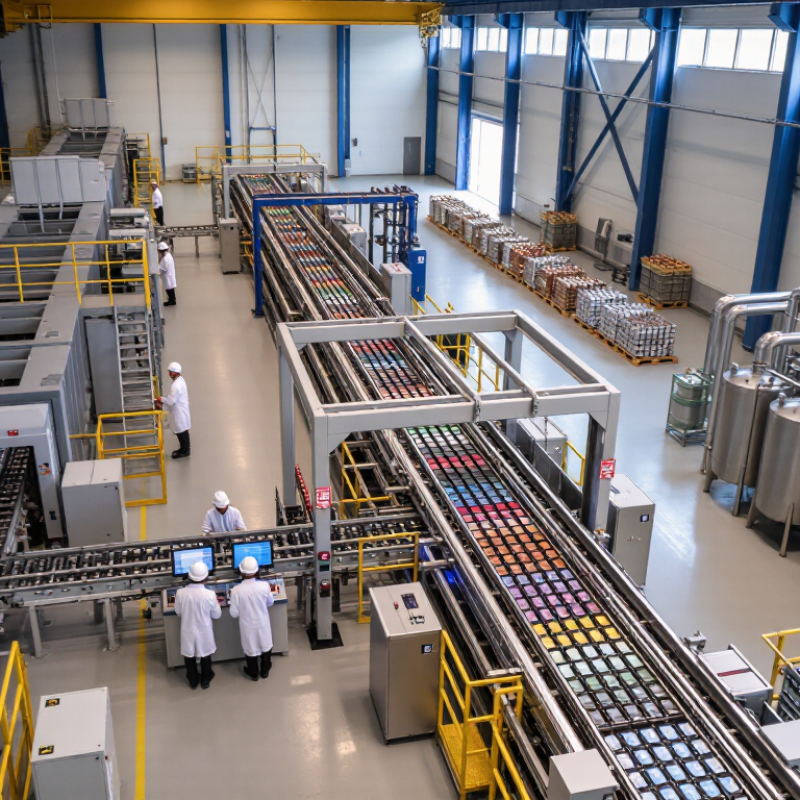
A recycling plant is not simply a warehouse filled with old cells. It may use discharge equipment, automated sorting, shredding lines, thermal treatment, or hydrometallurgical recovery. The final products can include nickel, cobalt, lithium compounds, copper, aluminum, and black mass. However, reported capacity does not always equal actual throughput. That distinction deserves more attention.

Regulation is also changing the competitive landscape. The European Union’s Batteries Regulation introduces targets for material recovery and recycled content. These rules reward traceability, safer design, and measurable performance. Company rankings remain imperfect because public disclosures vary widely. Therefore, this overview combines company announcements, industry reports, technical evidence, and commercial maturity rather than relying on marketing claims alone.
What Are the Top 10 Lithium Ion Battery Recycling Companies?

Lithium-Ion Battery Recycling: Definition, Scope, and Importance

Lithium-ion battery recycling is the controlled recovery of valuable materials from used batteries and manufacturing waste. These materials include lithium, nickel, cobalt, copper, aluminum, and graphite. The process may involve collection, discharge, dismantling, shredding, and separation. It can also use hydrometallurgy, pyrometallurgy, or newer direct-recycling methods. Each method has different energy demands, recovery rates, and safety concerns.

The scope extends beyond electric vehicles. It includes phones, laptops, power tools, energy-storage systems, and defective production cells. In a responsible facility, workers identify battery chemistry, isolate damaged packs, and monitor temperature during handling. A small puncture can create serious thermal risks. Chain-of-custody records also matter because material quality depends on accurate sorting. Recycling is not perfectly circular. Recovery performance varies by design, contamination, and process maturity. Data can be uneven. That deserves more honest reporting.

Tips: Compare recyclers by documented recovery data, safety controls, processing capacity, and transparent sourcing policies. Check whether they handle complete packs or only pre-processed material. Ask how they manage wastewater, residual metals, and rejected components. Experience matters, but it should support measurable evidence. A strong evaluation also considers regional transport rules and facility permits. Do not judge performance from marketing claims alone. Safety comes first.
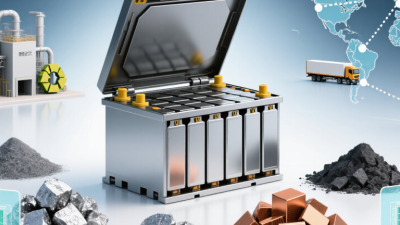
Lithium-ion battery recycling is important because it recovers critical materials, reduces mining demand, and limits hazardous waste. The chart shows the European Union’s minimum recovery targets for selected battery materials under Regulation (EU) 2023/1542. These are regulatory targets, not individual company performance figures.

Source: European Parliament and Council, Regulation (EU) 2023/1542 concerning batteries and waste batteries.

How the Top Recycling Companies Are Evaluated

Evaluating the top 10 lithium-ion battery recycling companies requires more than comparing recovery percentages. A credible assessment begins with feedstock handling. Can the facility accept damaged packs, production scrap, and mixed chemistries safely? Trained workers, fire detection, discharge controls, and clear emergency procedures reveal practical experience. Facility audits and worker training records matter.

Process performance needs independent evidence. Review recovery rates for lithium, nickel, cobalt, copper, and graphite separately. A single “high recovery” figure can hide important losses. Ask whether results come from laboratory tests or continuous commercial operations. The distinction is significant. Examine energy use, water demand, emissions, and residue treatment. Responsible operators publish testing methods, environmental permits, and incident data.

Traceability also separates serious companies from polished presentations. Battery batches should be tracked from collection to refined materials, with documented chain-of-custody controls. Buyers should inspect recycled-content verification and quality testing for recovered materials. Financial strength matters because recycling plants require steady supply, specialized equipment, and long commissioning periods. Local transport distances can change the environmental result. A facility may report strong recovery while moving batteries across several regions. That weakness deserves attention. Public claims are useful, but audited records and customer references provide stronger evidence. Even then, comparisons remain imperfect because battery chemistry, pack design, and regional regulations differ. Performance should be judged over time, not from one impressive pilot result.

Leading Lithium-Ion Battery Recycling Companies and Their Capabilities

The top ten lithium-ion battery recycling companies are best compared by capabilities, not publicity. Leading operators handle collection, safe transport, discharge, dismantling, and material recovery. Their facilities may process electric-vehicle packs, consumer cells, and factory scrap.

Some companies use mechanical separation to recover copper, aluminum, and battery powder. Others apply hydrometallurgical methods to extract nickel, cobalt, lithium, and manganese. A smaller group develops direct recycling, which aims to preserve cathode structure and reduce processing energy. Strong operators also offer battery testing, chemistry sorting, digital tracking, and recovered-material quality checks. In practice, capacity figures can be difficult to verify. Public reports sometimes omit downtime, recovery rates, or feedstock limits. That deserves careful review.

Tips: Ask about real recovery yields, not only annual capacity. Check whether the facility accepts mixed chemistries or damaged packs. Request evidence of safety procedures, third-party audits, and material traceability. Compare energy use and wastewater controls. A low-cost process may create weaker output. Pilot results can also differ from commercial performance. That gap matters.

Recycling Technologies, Materials, and Processing Methods Compared

The top ten lithium-ion battery recycling companies differ mainly in feedstock, recovery targets, and processing design. Some handle manufacturing scrap, while others accept batteries from electric vehicles, tools, and energy storage systems. Their first challenge is safe discharge, dismantling, and sorting. Small errors can damage equipment or create thermal hazards.

Mechanical processing usually shreds batteries under controlled conditions, then separates steel, copper, aluminum, plastics, and black mass. Hydrometallurgical plants use liquid reagents to recover nickel, cobalt, manganese, lithium, and sometimes graphite. This method can achieve high metal purity, but wastewater treatment and reagent use require strict oversight. Pyrometallurgical processing uses heat and tolerates mixed feedstock better. However, lithium and other materials may need additional recovery steps.

Direct recycling is more selective. It attempts to preserve cathode structure instead of breaking materials into individual metals. That may reduce energy demand, yet consistent quality remains difficult when chemistries are mixed. Lithium iron phosphate batteries also challenge older recovery models because they contain less valuable metal. Strong operators therefore combine automated sorting, chemical testing, and traceable material records.

Performance comparisons should examine recovery rate, product purity, energy consumption, emissions, and the treatment of residues. Public figures are not always measured in the same way. That is a weakness worth admitting. A high recovery percentage may exclude plastics, graphite, or process losses. Independent audits, transparent sampling, and verified lifecycle data offer a more reliable view than production claims alone.

Industry Reach, Partnerships, Challenges, and Future Developments

What Are the Top 10 Lithium Ion Battery Recycling Companies?

The leading lithium-ion battery recyclers operate across collection, transport, processing, and material recovery. Their reach differs widely. Some serve regional vehicle markets, while others manage international supply networks. Strong operators combine mechanical separation, thermal treatment, and hydrometallurgical recovery. These methods can recover nickel, cobalt, lithium, copper, and aluminum with varying efficiency. Facility location matters because battery shipping is expensive and tightly controlled. Partnerships with automakers, cell producers, dismantlers, and logistics providers create steadier feedstock. They also improve traceability from retired batteries to recovered materials.

The industry still faces difficult economics. Battery chemistry changes quickly, and older recovery systems may lose value when cobalt content declines. Damaged packs require careful storage and trained workers. Energy use, contamination, and inconsistent battery designs remain practical obstacles. Public rankings can be imperfect. A company may have impressive pilot results but limited commercial capacity. Future development will likely focus on direct recycling, automated disassembly, and improved lithium recovery. Digital tracking could also verify material quality and environmental performance. Yet promises need independent data.

Tips: Check annual processing capacity, recovery rates, facility locations, and safety records. Ask whether figures reflect laboratory tests or full-scale operations. Review partnership depth, not just partnership volume. Look for transparent reporting on energy use, waste handling, and recovered-material buyers.

What Are the Top 10 Lithium Ion Battery Recycling Companies? - Industry Reach, Partnerships, Challenges, and Future Developments

Anonymous comparison of leading lithium-ion battery recycling operators, based on publicly reported operating activity, geographic reach, processing technology, partnerships, and announced developments.
Profile Operating status Primary reach Main feedstock Core recycling route Publicly reported scale band Partnership pattern Key challenge and future development
Operator 01 Commercial North America with additional international supply links Manufacturing scrap, end-of-life electric-vehicle packs, and consumer batteries Mechanical preprocessing followed by hydrometallurgical recovery of nickel, cobalt, lithium, and manganese Large-scale network; operating and announced capacity is generally reported in the tens of thousands of tonnes per year Automakers, cell manufacturers, energy-storage developers, and materials purchasers Challenges include collection logistics and changing battery chemistries. Future plans emphasize domestic closed-loop cathode-material production and higher lithium recovery.
Operator 02 Commercial North America and Europe End-of-life electric-vehicle batteries, production scrap, and intermediate black mass Distributed mechanical “spoke” processing connected to centralized hydrometallurgical “hub” facilities Multi-region network with commercial spokes and large hub projects; capacity is commonly disclosed as planned or operating in the tens of thousands of tonnes per year Automotive manufacturers, mining and metals groups, battery producers, and logistics providers Utilization rates, financing, and feedstock timing remain material risks. Future development centers on hub commissioning, geographic expansion, and improved black-mass refining.
Operator 03 Expanding United States with international technology and supply relationships Electric-vehicle batteries, lithium-ion manufacturing scrap, and consumer electronics batteries Mechanical separation and hydrometallurgy, with production of recovered cathode active material Commercial pilot and plant network; announced projects extend into the large commercial scale category Automotive manufacturers, battery-cell producers, cathode-material customers, and public-sector programs Scaling consistent product quality is difficult across nickel-rich, manganese-rich, and lithium-iron-phosphate chemistries. Future work targets direct cathode recycling and domestic material supply.
Operator 04 Commercial Europe with global metals and battery-materials operations Industrial battery scrap, consumer batteries, electric-vehicle batteries, and cobalt- or nickel-bearing residues Integrated pyrometallurgy, mechanical preparation, and hydrometallurgical refining Established industrial footprint with multiple recycling and refining sites; capacity is typically reported at commercial industrial scale Automotive groups, battery manufacturers, electronics companies, mining companies, and chemical-material customers Energy intensity, permitting, and declining cobalt content affect economics. Future development includes lower-carbon processing, lithium recovery, and greater use of recycled metals in precursor materials.
Operator 05 Commercial North America and Europe Lead-acid batteries, lithium-ion batteries, manufacturing scrap, and mixed battery streams Battery dismantling, mechanical separation, and hydrometallurgical recovery; capabilities vary by site Established multi-country recycling infrastructure, with lithium-ion capacity expanding from a historically strong lead-battery base Automotive distributors, battery producers, collection networks, waste-management companies, and industrial customers Mixed chemistries and safe handling of damaged packs are major challenges. Future plans focus on lithium-ion plant expansion, automated sorting, and improved material traceability.
Operator 06 Commercial Nordic region and wider Europe Electric-vehicle batteries, production scrap, and battery modules from automotive supply chains Mechanical shredding and separation with hydrometallurgical treatment of black mass Industrial-scale European facility with expansion plans linked to regional electric-vehicle production Automotive manufacturers, aluminum and energy companies, battery producers, and European recycling networks Access to sufficient local feedstock and the cost of transporting hazardous batteries remain concerns. Future development includes increased throughput, renewable-powered processing, and higher recovery of lithium and graphite.
Operator 07 Expanding China with broader Asian supply-chain access Electric-vehicle batteries, consumer electronics batteries, and lithium-ion manufacturing scrap Large-scale mechanical preprocessing, pyrometallurgy, hydrometallurgy, and precursor-material production Large industrial capacity; China-based operators collectively account for a substantial share of global battery-recycling throughput Cell manufacturers, electric-vehicle producers, precursor suppliers, cathode-material manufacturers, and municipal collection systems Feedstock competition, environmental compliance, and low-margin recovery of lithium-iron-phosphate batteries are important issues. Future development emphasizes direct recycling, automated disassembly, and regional export of processing technology.
Operator 08 Commercial Asia-Pacific with strong domestic battery-industry integration Electric-vehicle packs, consumer batteries, production scrap, and black mass Mechanical dismantling combined with hydrometallurgical recovery and battery-material manufacturing Commercial industrial operations with capacity generally disclosed in the tens to hundreds of thousands of tonnes per year across related facilities Automakers, cell producers, cathode manufacturers, public research institutions, and regional collection partners Rapid chemistry changes and the need to qualify recycled materials for new cells are key challenges. Future efforts target closed-loop cathode production, digital traceability, and higher recovery from phosphate chemistries.
Operator 09 Pilot / Demonstration North America with technology licensing and development partnerships Production scrap, end-of-life electric-vehicle batteries, black mass, and lithium-iron-phosphate cells Hydrometallurgical leaching and selective precipitation designed to recover battery-grade lithium, nickel, cobalt, and manganese Pilot or demonstration scale, with commercial expansion dependent on qualification and project financing Automotive companies, battery manufacturers, mining and refining groups, and government-funded research programs Technology scale-up, reagent consumption, and customer qualification are the main barriers. Future development focuses on direct cathode regeneration, lower chemical use, and modular plant deployment.
Operator 10 Expanding Europe and selected North American markets Electric-vehicle batteries, stationary-storage batteries, consumer batteries, and manufacturing scrap Automated discharge and dismantling, mechanical size reduction, black-mass production, and downstream hydrometallurgy Regional commercial facilities with additional projects under construction or development Automotive manufacturers, battery producers, energy-storage companies, waste collectors, and regional governments Transport regulations, fire prevention, and uneven collection systems affect operating costs. Future development includes automated pack handling, second-life screening, and integration with local battery-material supply chains.

Note: Company and brand names have been intentionally omitted. Scale bands distinguish publicly reported operating or announced activity and should not be interpreted as audited production figures. Industry conditions and project status can change as new facilities are commissioned.

An exceptional record of quality and service for 35+ years.